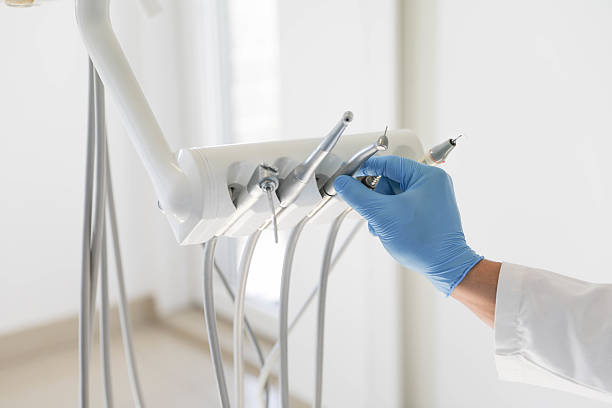
Not every extraction is the same — a simple extraction with forceps is a different procedure than a surgical case requiring an elevator and sectioning, and our Tooth Extraction plan tells you upfront which category yours falls into.

Every Smile Center Dentistry office offering Tooth Extraction is held to the same four standards, verified before the office ever joins our network.

We determine upfront whether your case is a straightforward simple extraction or requires a more involved surgical approach.
If you're considering a future implant, socket-preservation grafting at the time of extraction protects bone volume.
Clear aftercare instructions and, when appropriate, a protective dressing reduce the risk of painful dry socket.
Multiple extractions are quoted together with any relevant discount for combining visits.
Here's the range of Tooth Extraction our Bowman team handles most, described the way we'd explain it chairside rather than in marketing language.
Most simple extractions take only a few minutes once numbing has fully taken effect. We'll review aftercare instructions clearly before you leave.
Teeth that are broken at the gumline, impacted, or have curved roots often require a surgical approach with sectioning. Recovery timelines are typically longer than for a simple extraction.
This step is optional and discussed specifically in the context of your long-term replacement plans. Ask about this specifically if you're considering an implant down the road.
When several teeth need removal in one visit, we plan sedation and pacing carefully to keep the appointment manageable. We'll check in on healing progress more closely after a multi-tooth procedure.
Following aftercare instructions closely is the biggest factor in avoiding dry socket, and we walk through it clearly before you leave. Avoiding straws, smoking, and vigorous rinsing in the first days protects the healing clot.
We check healing progress at a follow-up visit, especially after surgical or multiple extractions. Most patients heal without complication when aftercare instructions are followed.

No mystery about what happens between calling us and walking out with the problem addressed.
Tell us which tooth and any symptoms, and we'll schedule an X-ray and assessment.
Root shape and position guide the approach and anesthesia plan.
Multiple-tooth cases are quoted together with the full plan explained.
The procedure is performed under appropriate anesthesia, followed by clear written aftercare instructions.

These are unedited, from patients who've actually been through Tooth Extraction treatment with us in the past year.
“They told me upfront it would be a surgical extraction, not a simple one, and explained exactly why before starting.”
“Socket preservation grafting was explained clearly since I'm planning an implant in a few months. No pressure either way.”
“Had three teeth out in one visit and the aftercare instructions actually made sense, unlike the vague sheet I got years ago elsewhere.”
“Developed dry socket a few days later and they got me in same-day for a dressing that brought relief almost immediately.”
“Simple extraction was quick, painless once numb, and I was back to normal within a day.”

These are the questions Bowman patients ask most before booking Tooth Extraction.
X-rays beforehand tell us which category your case falls into before we quote the procedure.
If you're thinking about a future implant, grafting at extraction time helps preserve bone volume for later.
We'll walk through the full aftercare list clearly before you leave the office.
Simple extractions typically heal within a few days; surgical extractions can take a week or more.
We'll walk through what to expect for a multi-site recovery before scheduling.
Same-day dry socket treatment with a medicated dressing typically brings quick relief.
We can usually confirm same-week availability for Tooth Extraction before you even finish describing your situation.
We provide Tooth Extraction to Bowman patients with clear upfront pricing whether it's one tooth or several. Socket preservation and other add-on procedures are always discussed, never assumed.